German Language Classes in Nigeria: Master Goethe A1–B2 for Chancenkarte & University Admissions
Germany continues to stand out as one of the premier destinations for international students and skilled professionals. From tuition-free public universities to career expansion and the Opportunity Card (Chancenkarte), the doors to Europe are open. However, securing a place on any of these pathways hinges on one key factor: proven German language proficiency.
Enrolling in structured german language classes is the single most effective way to cross this barrier, pass official certified exams like the Goethe-Zertifikat, and avoid costly visa delays.
Whether you are starting completely from scratch at the A1 level or aiming for B2 business fluency, here is everything you need to know about preparing for your German journey.
Why German Language Proficiency Matters for Your Visa Pathway
Understanding the exact language requirements for your target track ensures you spend your time and resources efficiently:
1. The Opportunity Card (Chancenkarte)
Germany’s points-based visa allows skilled workers to move to Germany to seek employment. While A1 German serves as an entry baseline, pushing your certification to A2 (+1 point) or B1 (+2 points) gives your application a major advantage in the scoring system.
2. University Admissions (Bachelor’s & Master’s)
While some international programs are taught in English, public universities charging zero tuition typically demand B2 or C1 proficiency. Even for English-taught degrees, holding a B1/B2 certificate makes finding student jobs (Werkstudent) and securing accommodation infinitely easier.
3. Healthcare & Vocational Training (Ausbildung)
Nurses, medical doctors, and technical apprentices must prove certified B1 or B2 language levels to qualify for professional licensing (Approbation) and workplace communication.
Why App Based Learning Is Not Enough for Goethe Exams
Casual vocabulary apps are useful for practice on the go, but they fall short when preparing for the Goethe-Zertifikat. Official exams evaluate four distinct, rigorous modules:
-
Lesen (Reading): Comprehending complex texts, news articles, and formal notices.
-
Hören (Listening): Processing native-speed audio dialogues, announcements, and lectures.
-
Schreiben (Writing): Structuring formal emails, essays, and argumentations.
-
Sprechen (Speaking): Conducting real-time conversations, presentations, and debates with examiners.
Clearing all four modules requires interactive speaking practice, formal grammar instruction, and continuous feedback from experienced tutors.
What to Expect in Our German Language Classes
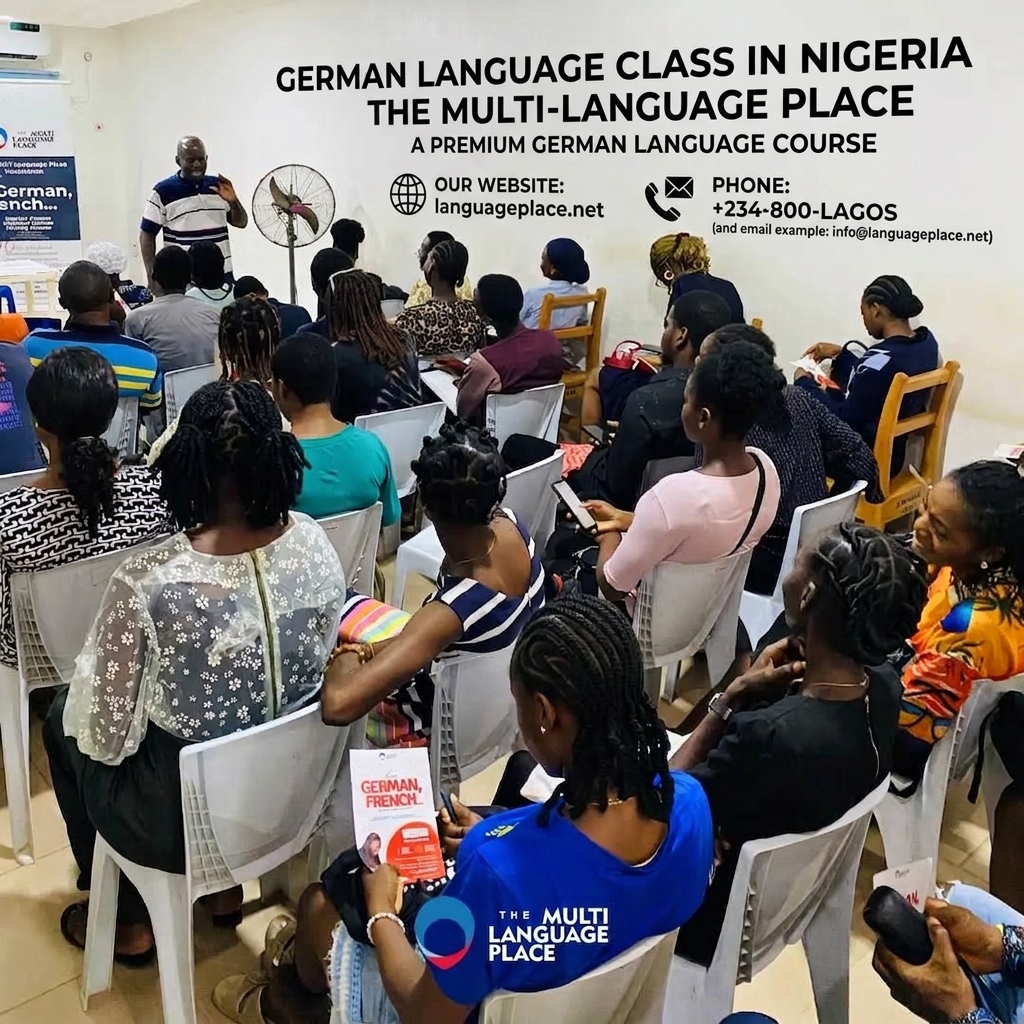
At The Multi-Language Place, our German language curriculum is structured according to the Common European Framework of Reference for Languages (CEFR):
-
A1 – A2 (Elementary Level): Build foundational vocabulary, master basic sentence structure, and manage everyday interactions.
-
B1 – B2 (Intermediate & Professional Level): Develop fluid conversational confidence, handle complex technical topics, and prepare specifically for Goethe exam modules.
-
Targeted Exam Preparation: Practice with past Goethe test formats, timed mock exams, and intensive writing evaluations.
-
Flexible Learning Options: Choose between interactive in-person cohorts at our centers or live virtual online classes designed for busy professionals.
Start Your Journey with The Multi-Language Place
Don’t let language exams delay your study or relocation plans for 2026/2027. Join our next cohort at The Multi-Language Place and get guided instruction from A1 all the way to Goethe exam success.
Get in Touch with Admissions:
👉 Ready to master German? Visit www.languageplace.net today to view upcoming schedules and register!