For many people, learning a new language has evolved from a pastime to a professional necessity, a necessity for travel, or a personal objective connected to culture and identity. However, it’s simple to become overwhelmed by the abundance of apps, online courses, YouTube lessons, and “learn in 7 days” claims.
You’re not alone if you’re attempting to figure out how to learn a language in 2025. Many students begin with enthusiasm but eventually slow down because they are unsure of which approach is most effective. The good news? As long as you select the appropriate course for your goals, timetable, and personality, learning a language is completely achievable.
These are the most popular techniques used today worldwide, and you can utilize them regardless of the language you’re interested in.
1. Start with a Structured Class
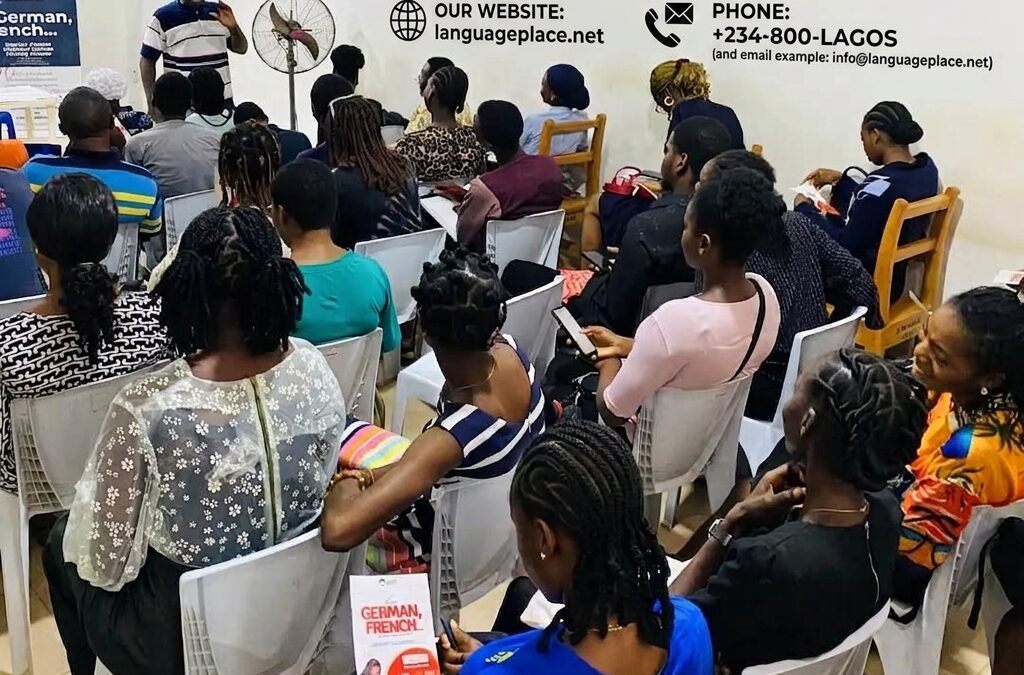
A structured lesson is your best option if you want direction and learn best when someone is guiding you through the process. You can concentrate on pronunciation, grammar, conversations, and useful vocabulary at the appropriate times with the assistance of a qualified instructor.
Many students claim that because classes provide accountability, which isn’t always possible with apps or independent study, they help them remain dedicated. Having a tutor makes a big difference whether you enroll in an online course or go to a real language school.
2. Practice Speaking from Day One
Since speaking a new language can be uncomfortable at first, many learners steer clear of this advice. However, speaking at a young age aids in your brain’s adaptation to the language’s cadence. Speaking increases confidence more quickly than studying in silence for months, even if your statements are short or flawed.
Try speaking:
- With your tutor
- In a language class
- With other learners
- Even to yourself at home
The goal isn’t perfection, it’s flow.
3. Surround Yourself with the Language (Even at Home)
Traveling is not necessary for immersion. You are able to fully immerse yourself in your home. You can switch the language on your phone, watch movies in the target language, follow social media accounts, and listen to music, podcasts, or radio stations in the language you wish to learn.
You pick it up more quickly the more you are familiar with it.
4. Use Technology, but Don’t Depend on It Alone
Apps like Duolingo, Babbel, and Memrise are great for vocabulary and quick practice. But many learners reach a point where apps alone can’t take them further. Combine apps with:
- Real conversations
- Notes
- Classes
- Writing exercises
Balanced learning works far better than depending on apps alone.
5. Be Consistent (Even if it’s 10 Minutes Daily)
Consistency matters more than intensity. Ten minutes every day is more powerful than one hour occasionally. Your brain absorbs languages little by little, just like how children learn.
The Bottom Line
There isn’t a single “magic” method for learning a language. Combining organized instruction, frequent practice, immersion, and regular study is the optimal strategy. When these work together, you’ll be surprised how fast you progress.
Additionally, language schools like Language Place provide programs in French, German, Yoruba, and other languages intended for everyday communication if you’re searching for a supervised learning experience. With the right support and a solid routine, 2025 could be the year you finally become multilingual.